
Drambuie: Scotland’s Honeyed Liqueur With A Storied Past
Some bottles earn their keep quietly. They sit at the back of the liquor cabinet, waiting for their time to come. Liqueurs tend to fall into this category. Liqueurs are sweetened spirits flavoured with everything from coffee and hazelnut to citrus and cream. Think Baileys, Grand Marnier, Kahlua or Frangelico. Familiar, dependable and often underestimated.
Liqueurs have a rich story to tell, especially when you step away from the familiar crowd pleasers. Many countries have their own signature liqueur and these bottles often become the most evocative souvenirs. You bring them home tucked into a suitcase and months later one sip takes you right back. That was my experience after a recent trip to Scotland, when one particular bottle kept nudging its way into my thoughts: Drambuie.

Drambuie is now made at a production facility outside of Glasgow
Let’s start with the name because it sets the tone. Drambuie comes from the Scottish Gaelic phrase meaning “the drink that satisfies.” It’s confident, almost cheeky and surprisingly accurate.
At its heart, Drambuie is a Scotch whisky liqueur. The base is whisky, sweetened with Scottish heather honey and infused with herbs and spices. Heather, for those unfamiliar, is a flowering shrub that carpets large swaths of the Scottish landscape. The exact recipe is famously secret. A detail that places Drambuie firmly in the tradition of classic European liqueurs where mystique is part of the appeal.
The origins of Drambuie trace back to the Isle of Skye, off Scotland’s northwest coast. Unsurprisingly, its history is tangled up in myth. The most enduring legend claims that Bonnie Prince Charlie, fleeing after the Battle of Culloden, found refuge with Captain John MacKinnon and gifted him the recipe in gratitude. It’s a romantic story, but one without hard evidence.
What is documented is that the MacKinnon family developed the recipe on Skye and later shared it with James Ross, proprietor of the Broadford Hotel. Ross refined the formula and registered the name Drambuie in 1893. Commercial production followed in Edinburgh in 1909, after Ross’ widow sold the rights. Today, Drambuie is owned by William Grant & Sons and produced just outside Glasgow. It’s a thoroughly modern operation tied to a deeply traditional idea.
Despite its liqueur status, Drambuie has real presence. It’s bottled at 40 percent alcohol and made using a blend of Speyside and Highland whiskies. This helps to give it both softness and structure. While only a handful of people are said to know the full recipe, cloves and saffron are often cited among the botanicals with plenty of speculation around others. The truth, of course, remains locked away.
You can drink Drambuie neat, chilled or on the rocks and it’s worth doing it at least once to fully understand its character: rich, smooth, gently floral with honeyed warmth rather than cloying sweetness. But, for many drinkers, Drambuie’s reputation rests squarely on its role in cocktails.
The most famous is the Rusty Nail - a two ingredient classic of whisky and Drambuie that enjoyed its heyday in the 1950s and 60s and was famously favoured by Frank Sinatra and the rat pack. Early versions leaned heavily on sweetness, calling for equal parts of each. These days, many bartenders (myself included) prefer a drier ratio 3:1 whisky to Drambuie, letting the whisky lead while Drambuie adds depth and aroma. A simple twist of lemon peel finishes it beautifully.
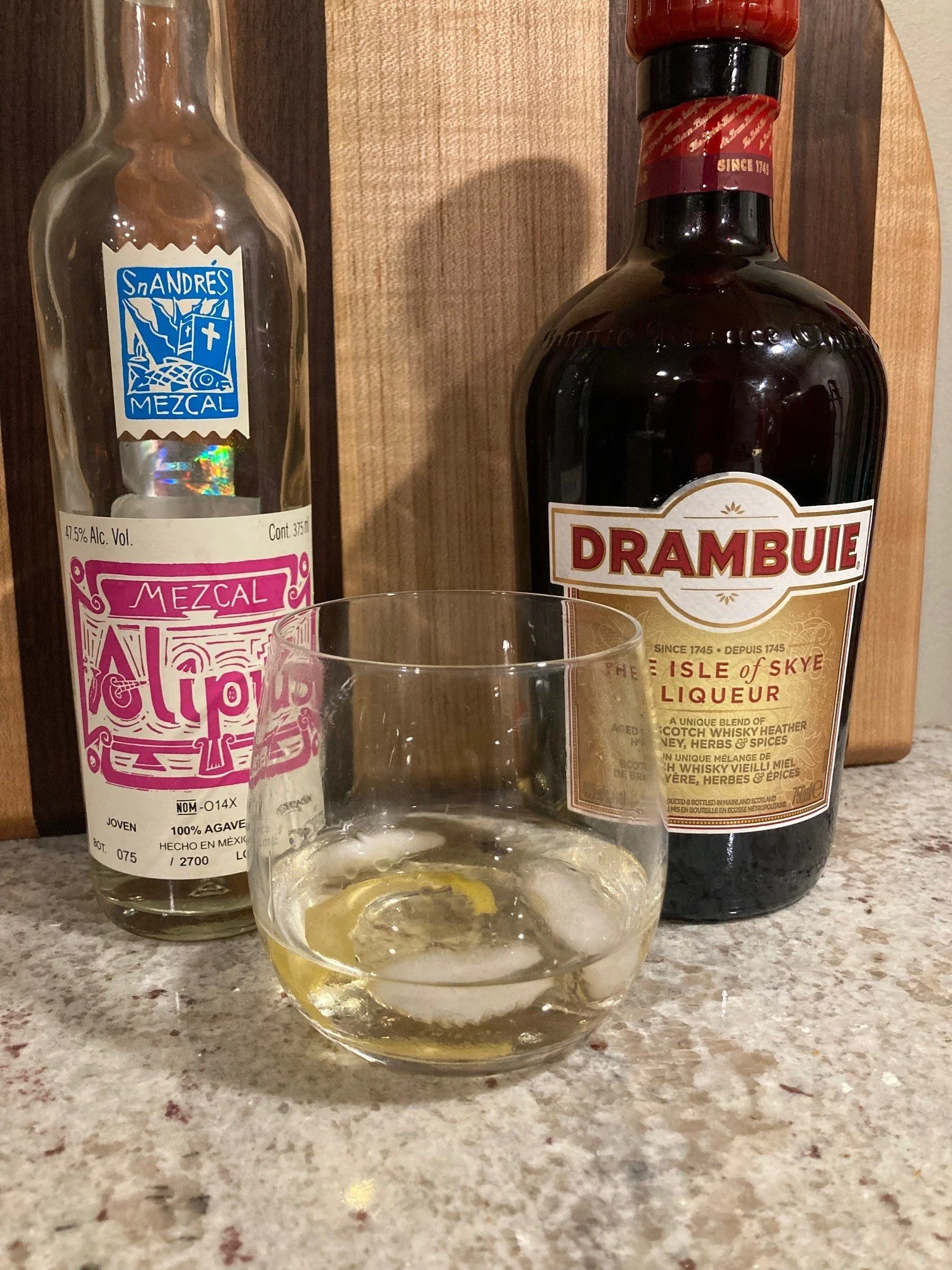
I encourage you to try a Smoky Nail. It is delcious!
From there, the variations fan out. Swap scotch for bourbon and you have a Rusty Bob, rounder and sweeter. Replace it with mezcal and you get a Smoky Nail. It is an unexpectedly compelling mix of honey, herbs and smoke. Rye whisky brings a spicier edge in a lesser known variation called the Donald Sutherland.
Drambuie also feels surprisingly at home in more contemporary, after dinner drinks. One of the simplest is the Drambuie Iced Espresso: equal parts Drambuie and freshly brewed espresso served over ice. The bitterness of the coffee reins in the sweetness while the liqueur’s floral, honeyed notes soften the edges. I didn’t think the two flavours would cooperate, but they do!
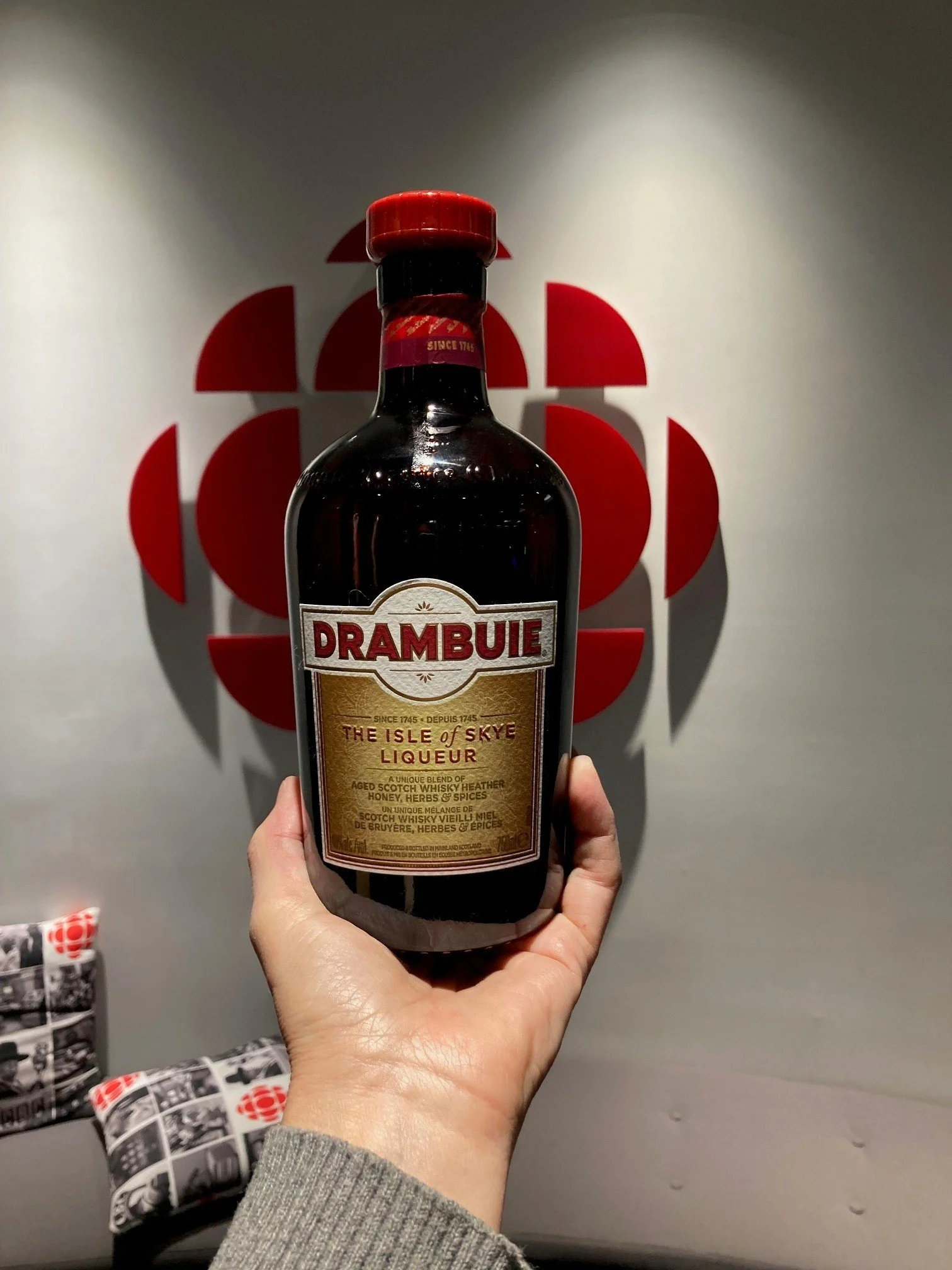
For a bottle that often goes unnoticed, Drambuie has remarkable range. It bridges whisky and liqueur, myth and modernity, tradition and reinvention. If you have a bottle lingering quietly on your shelf, consider this your invitation to bring it back into the conversation in 2026.